When Creativity Calls for Presence at Rio2C
PTLeia este artigo em portuguêsQuando a Criação Pede Presença no Rio2C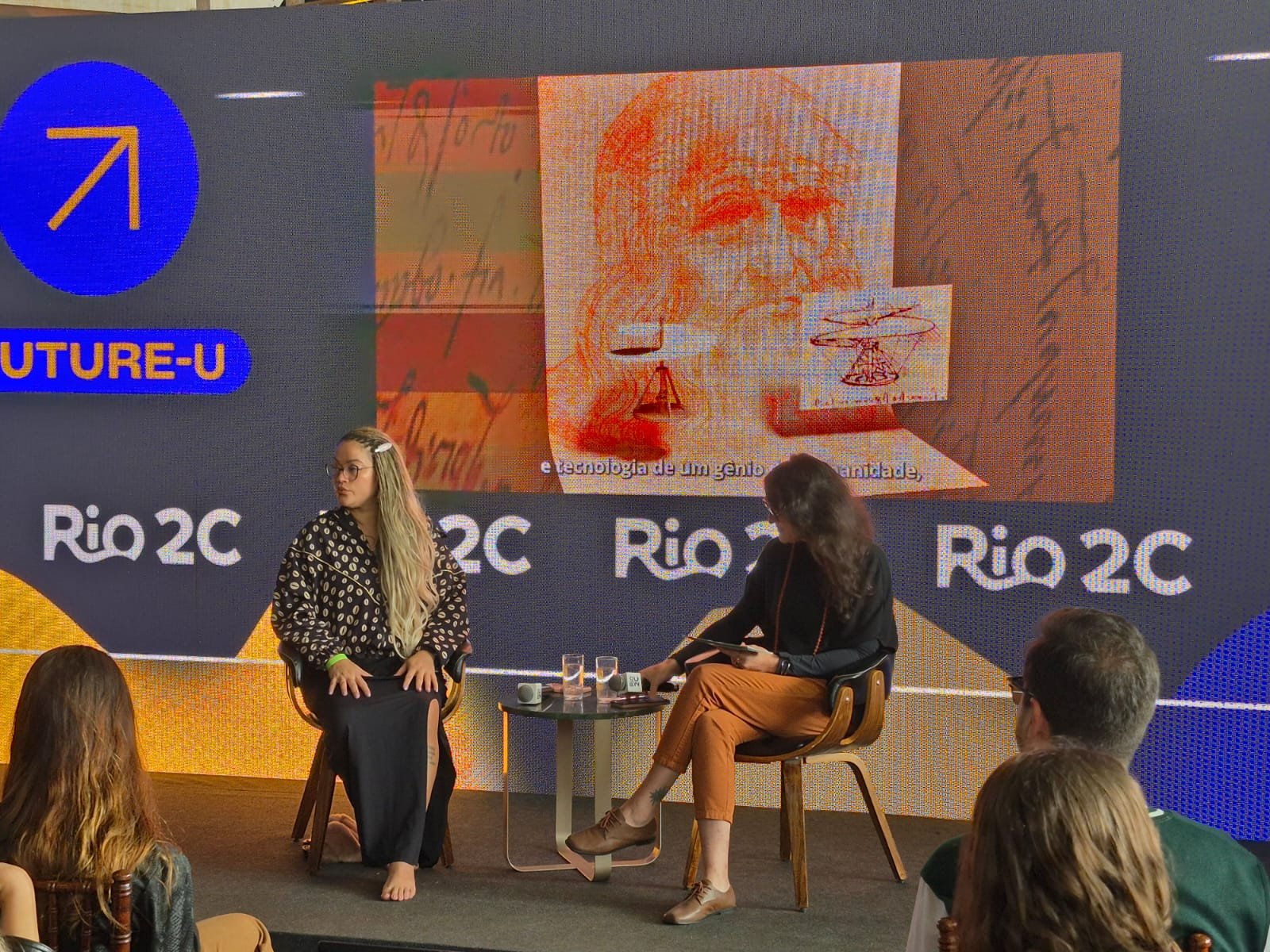
Photos: Alexandre Magah
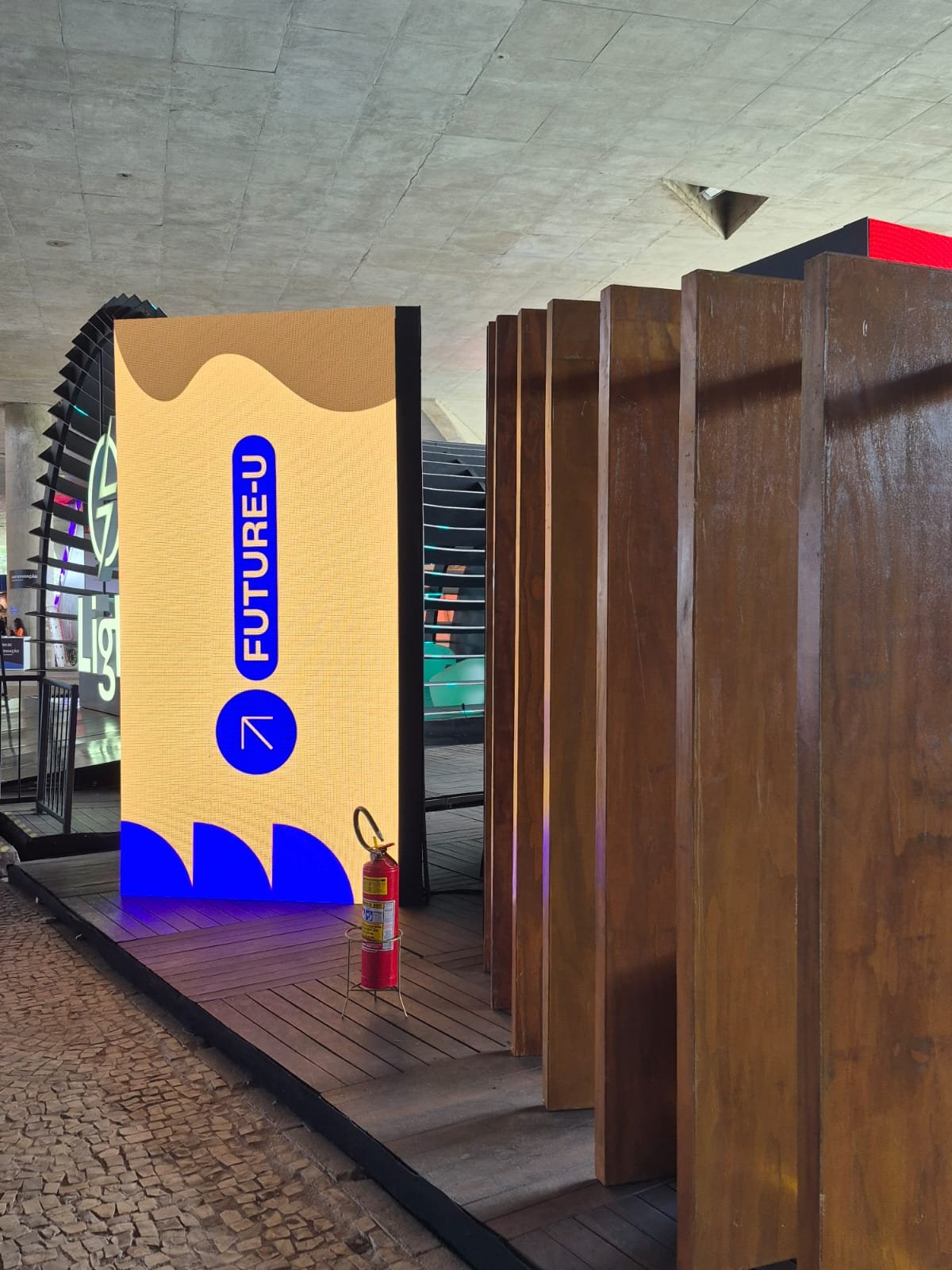
On the final day of Rio2C 2026 at the City of Arts in Rio de Janeiro, one theme stood out amid discussions about technology, automation, and artificial intelligence: the importance of preserving what makes us human.
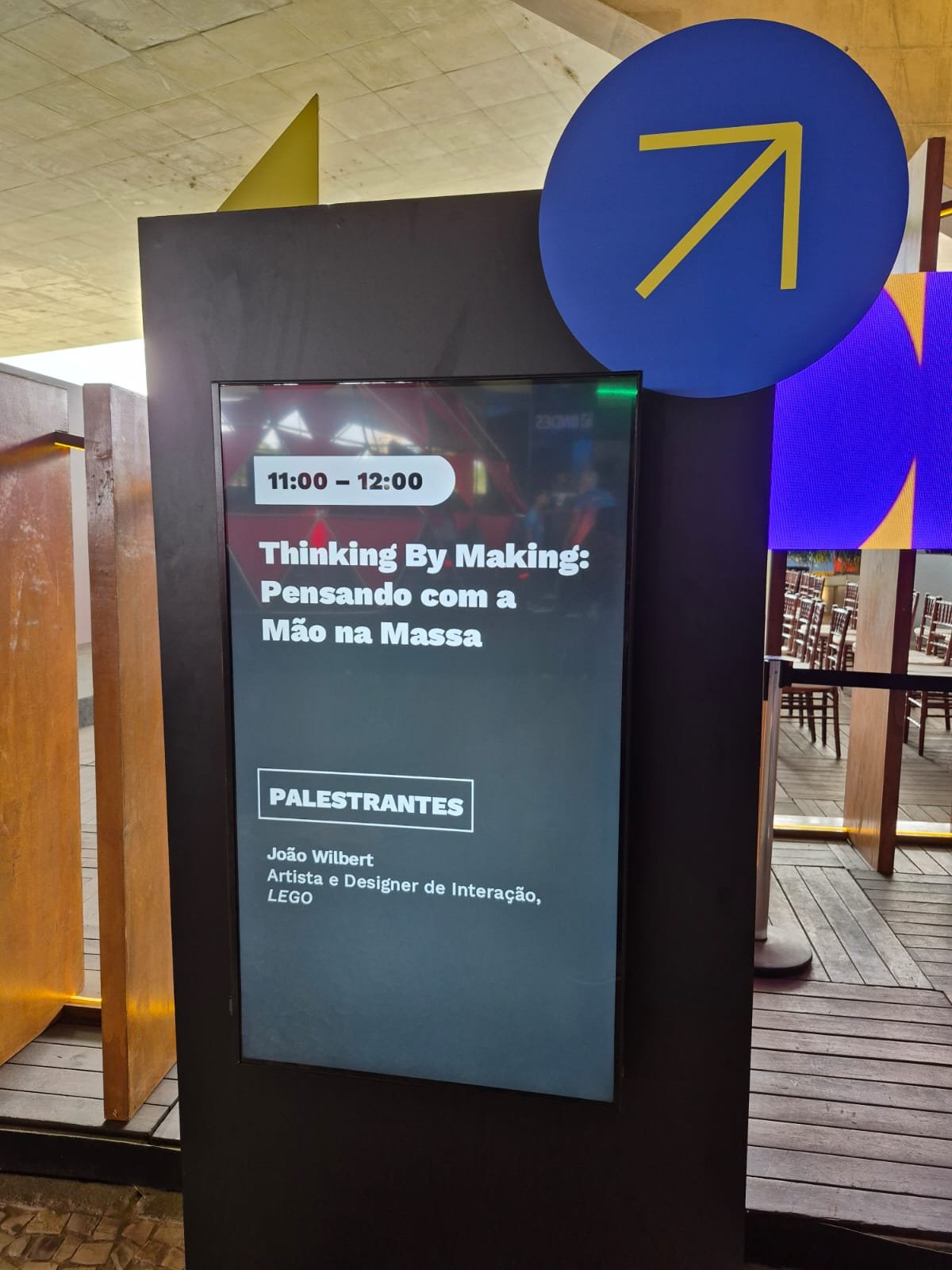
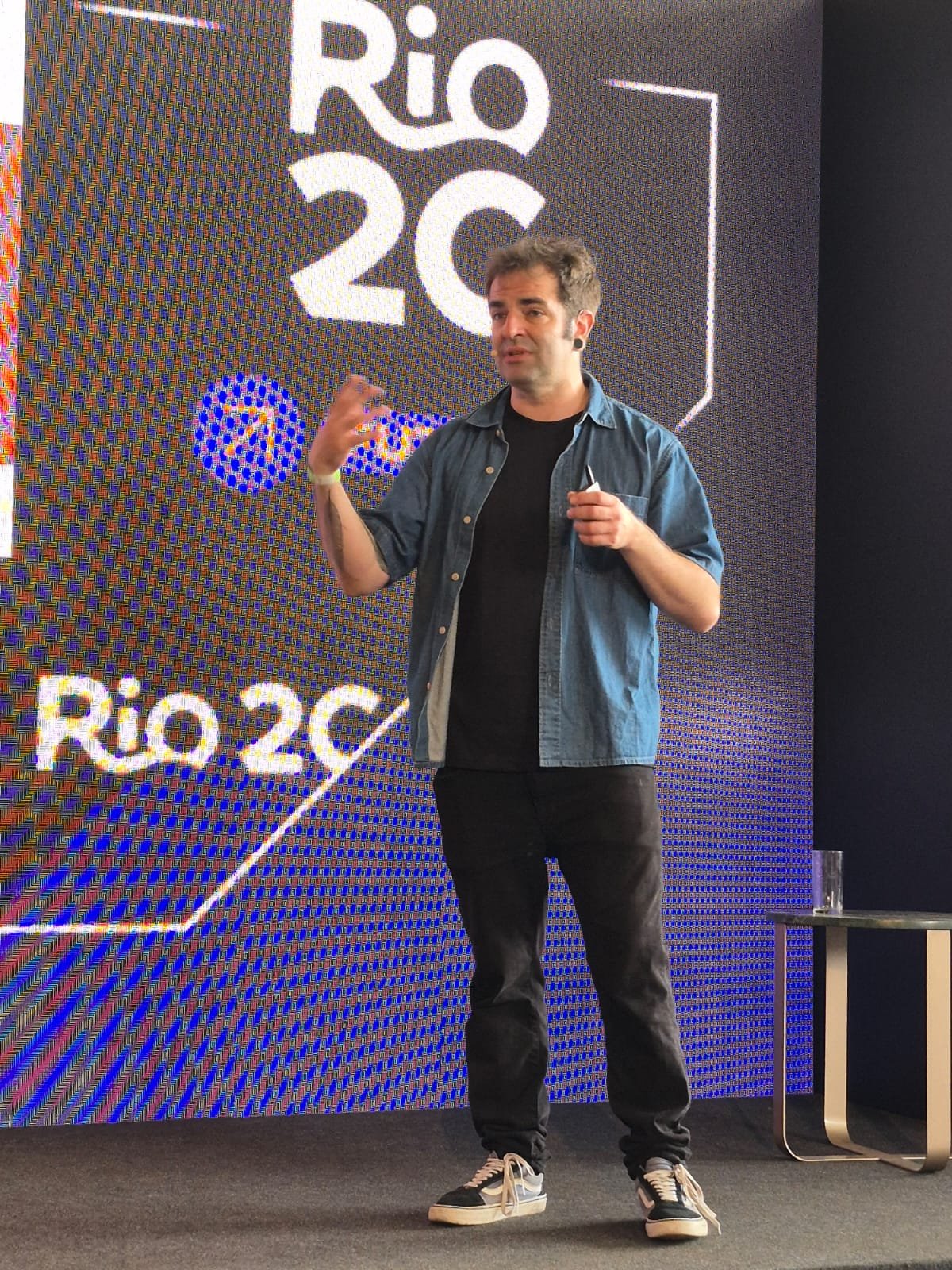
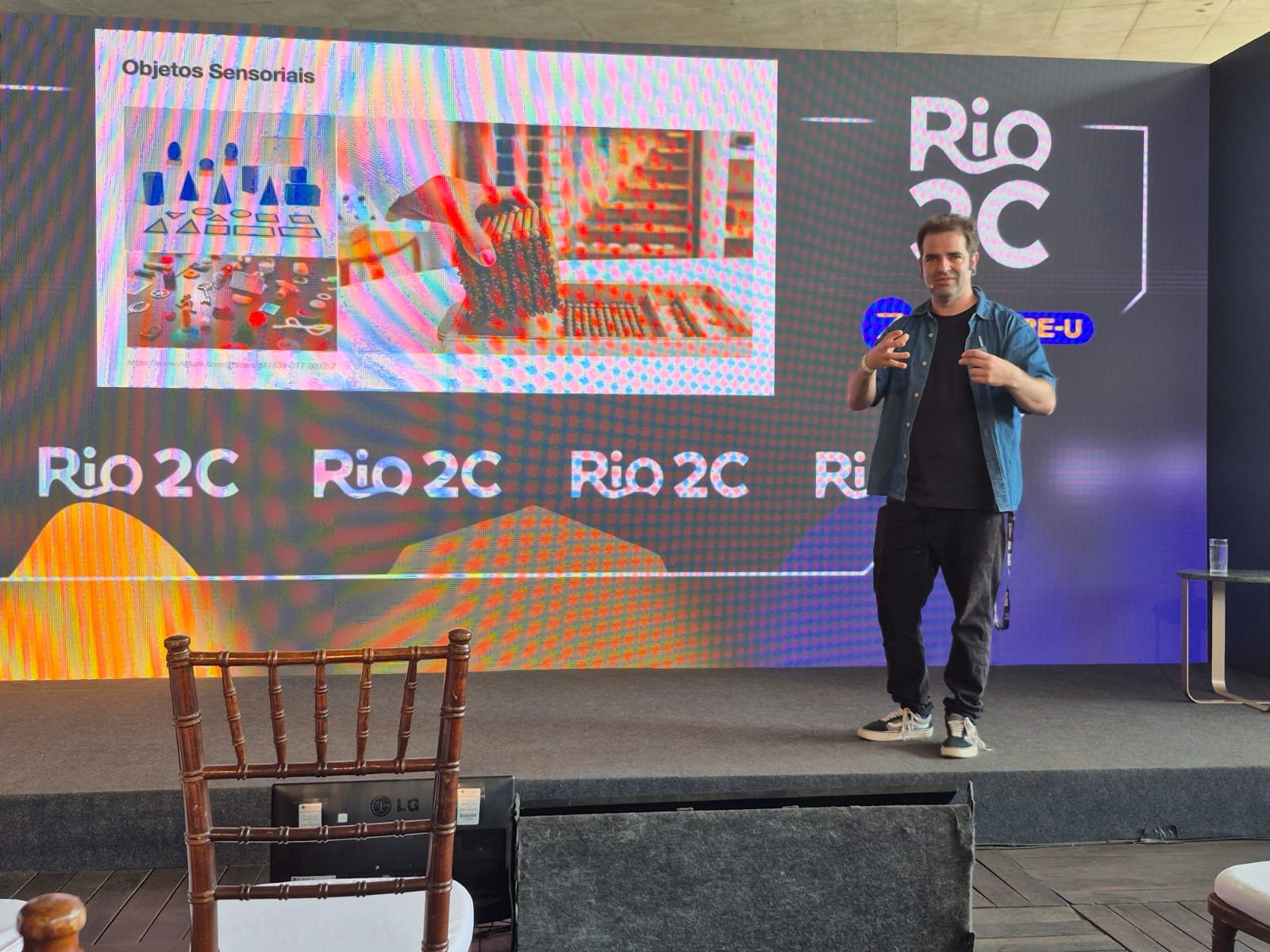
During the talk Thinking by Making, artist and inventor João Wilbert championed experimentation as an essential tool for creativity. Rather than striving for perfect solutions, he encouraged reducing the gap between idea and execution by turning concepts into simple, rapid prototypes.
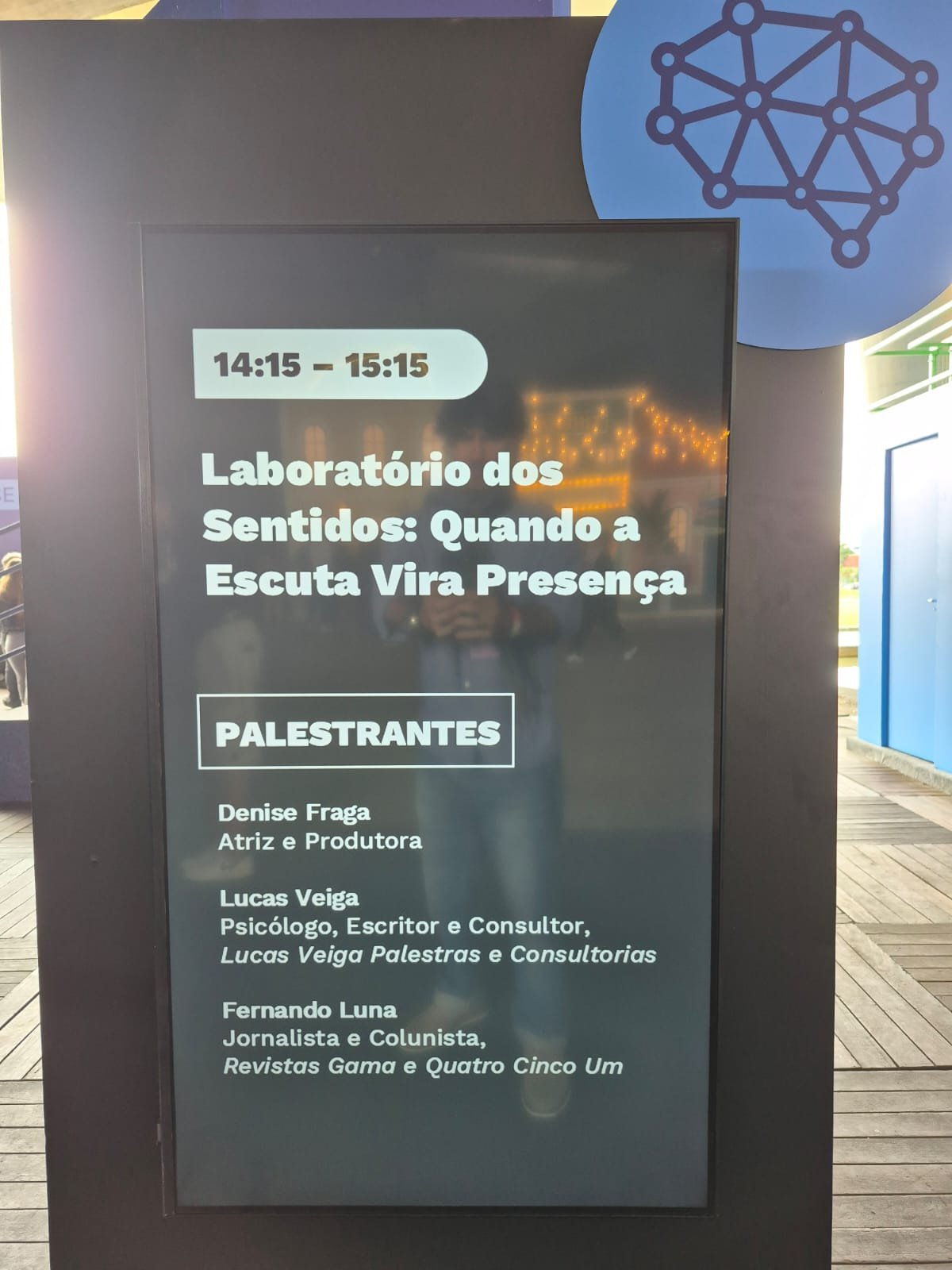
The importance of presence was also central to the panel The Laboratory of the Senses: When Listening Becomes Presence. Psychologist Lucas Veiga described listening as an act of paying attention not only to words, but also to silences, gestures, and emotions. Actress Denise Fraga emphasized the value of human connection in an increasingly fast-paced world.
"The nature of human encounters remains the greatest ancestral technology we have," she said.
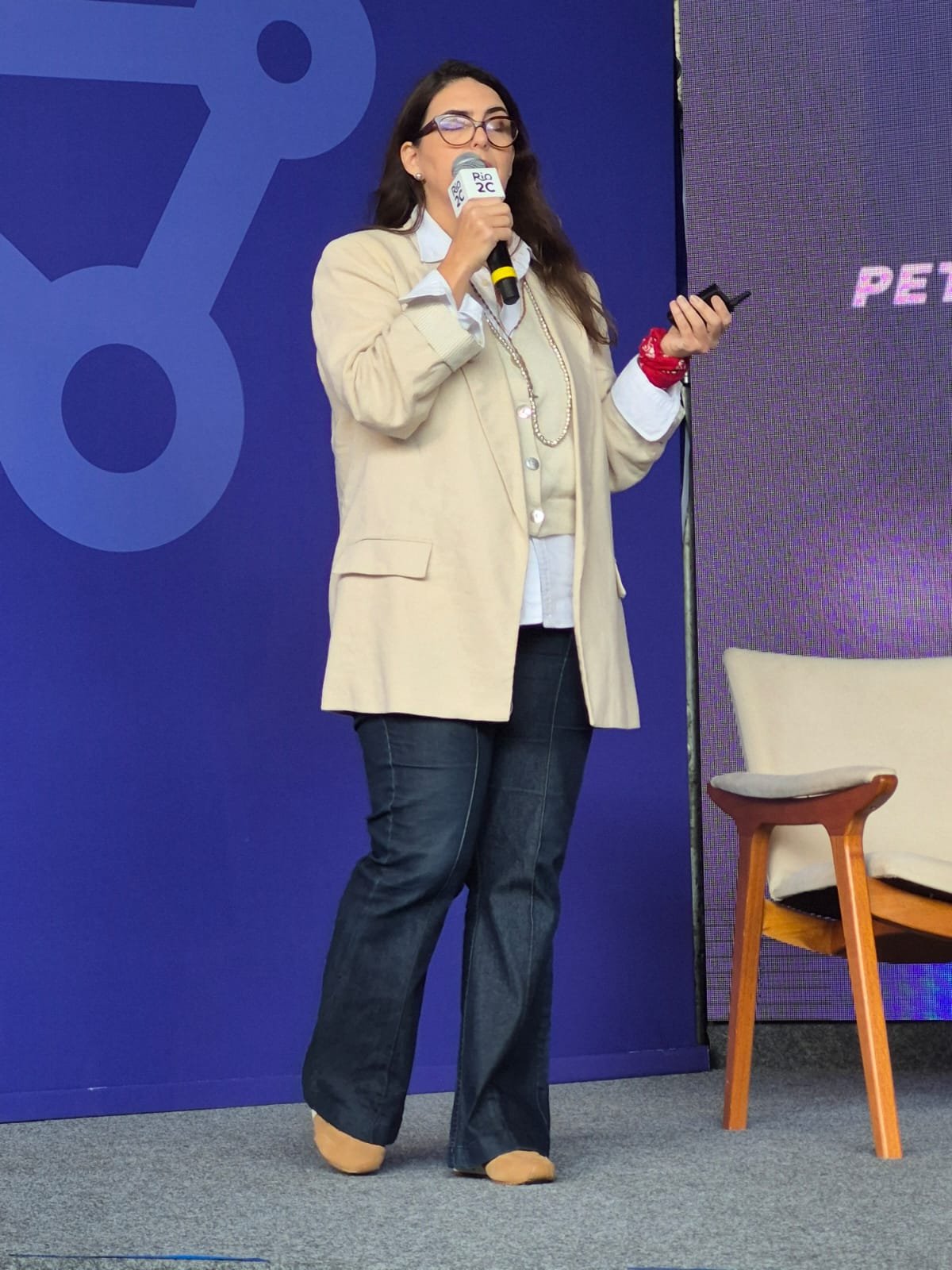
The relationship between creativity and mental health was explored by writer Ryane Leão and journalist Petria Chaves. Rather than focusing on artificial intelligence, Chaves proposed reclaiming what she called "ancestral intelligence" — the wisdom built through experience, memory, and lived knowledge.
"What brings you life?" Leão asked, inviting the audience to reflect on rest, self-care, and the creative process.
Karen Cesar, CEO of RedBandana, reinforced the idea that as processes become increasingly automated, human qualities such as empathy, active listening, and trust-building become even more valuable. In her view, being human has become a competitive advantage in the age of AI.
The day's closing session offered a powerful example of the connection between technology and ancestry: a video game inspired by the universe of Candomblé, developed by a creator in partnership with his spiritual mentor. In the story, the protagonist seeks to recover lost memories while guided by the Orixás, bringing ancestral knowledge to new generations through the language of gaming.
By the end of the day, one message was clear: the greatest creative challenge of our time is not mastering new tools, but preserving depth, presence, and humanity. In an age driven by algorithms, perhaps the most urgent innovation is learning once again how to listen, remember, and create from the richness of human experience.
Comments
Sign in with GitHub to leave a comment.
Comments use GitHub and Giscus. Loading this area opens a third-party service: your GitHub profile, comments, reactions and metadata may be public on GitHub and this site. Read the Privacy Policy.
Comments will load after your confirmation.