World Environment Day: Voices from Rio Nature and Climate Week
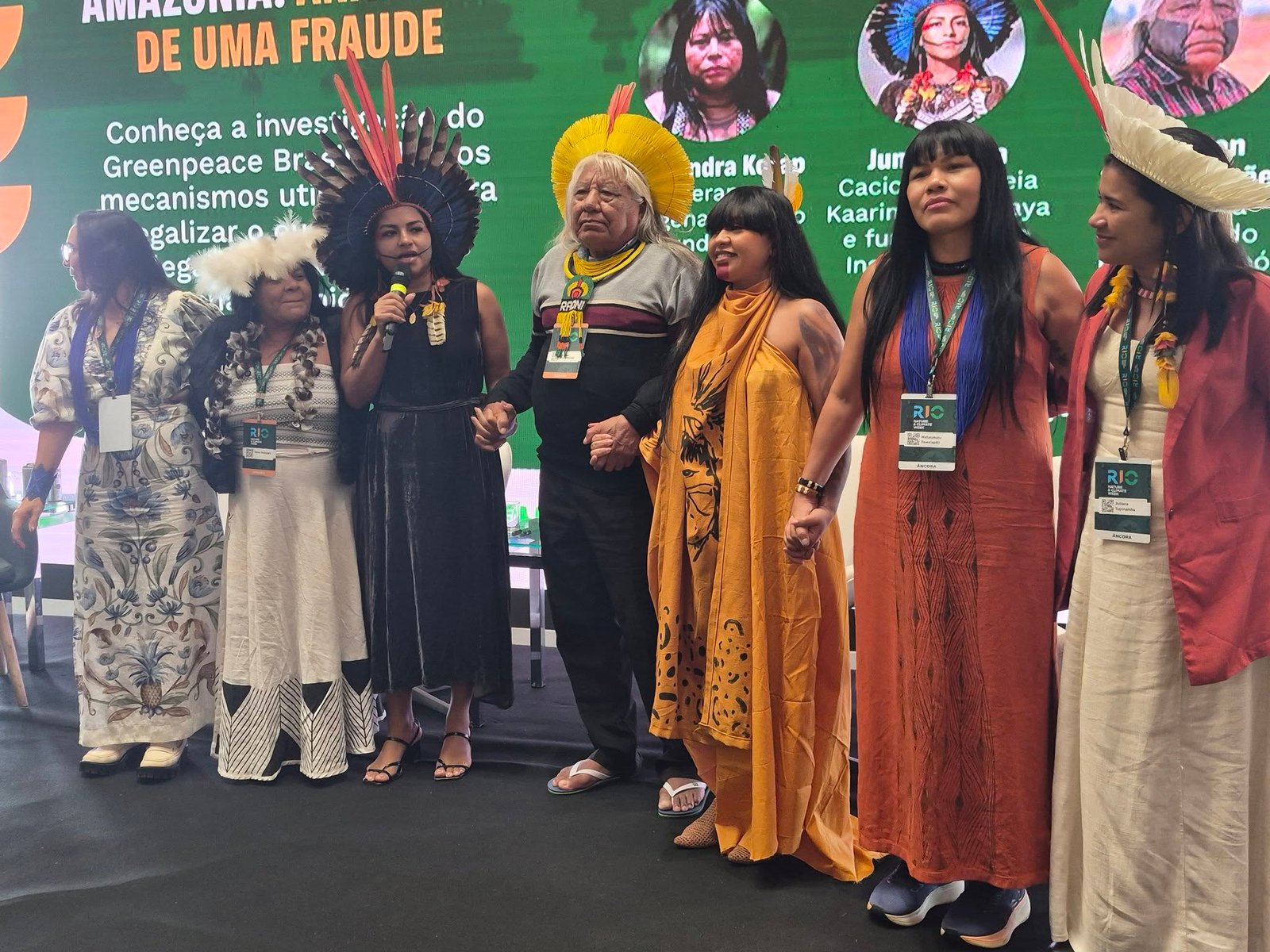
Yesterday, Friday, June 5, 2026,was World Environment Day, an annual event recognized by the United Nations and celebrated around the globe.
To mark the occasion, and as part of activities supported by Greenpeace, this ever-curious observer boarded Rio de Janeiro’s electric tram ( which dates from ecological projects linked to the 2016 Rio Olympics games) and headed to the beautifully restored Touring Club building for the second day of Rio Nature and Climate Week.
Among the event’s most memorable speakers was Brazilian producer, actress and Pataxó Indigenous representative Isabela Santana, CEO of Awaka, a company that develops projects based on biodiversity. Santana highlighted a point that should be obvious but is too often overlooked: Indigenous peoples are not merely guardians of nature. They are artists, actors, musicians, entrepreneurs and creative talents whose contributions enrich Brazilian society and culture or as one Indian feminist reminded us: ‘ We are human beings !”
The day’s program also featured a powerful film starring Alice Braga, niece of the legendary actress Sonia Braga. The film--featuring a fictional(?)takeover of the Amazon by the armed forces of a foreign with the colors red , white and blue served as a stark reminder of the threats to the immense wealth hidden beneath the Amazon rainforest.
Vast reserves of valuable and rare minerals lie beneath lands inhabited by countless Indigenous communities, many of whom remain vulnerable to outside pressures. These resources continue to attract the attention of multinational corporations and governments eager to exploit them, often placing economic interests above environmental protection and Indigenous rights.
A panel featuring members of Brazil’s Indigenous protection agencies highlighted progress made in recent years to strengthen legal protections for Indigenous communities and safeguard their territories. While challenges remain, speakers pointed to important advances in recognising and defending Indigenous rights.
Perhaps the most compelling contribution came from Chief Megaron, a prominent leader of the Kayapó people and a lifelong environmental activist. For decades, he has fought to protect Indigenous territories from illegal mining, one of the Amazon’s most persistent threats. He spoke passionately about the devastating consequences of mercury contamination, which pollutes rivers, poisons fish and endangers the health of children and local communities throughout the region.
In contrast to a previous( now jailed President whose son is a candidate to be the next President of Brazil) the current administration of President Lula da Silva has taken innumerous measures to protect indigineous peoples and their natural resources and expell illegal miners who have poisoned their waters with mercury .
As Rio Nature and Climate Week reminded us:protecting the Amazon is not simply an environmental issue. It is a matter of human rights, cultural survival and the future of one of the planet’s most important ecosystems.

Comments
Sign in with GitHub to leave a comment.
Comments use GitHub and Giscus. Loading this area opens a third-party service: your GitHub profile, comments, reactions and metadata may be public on GitHub and this site. Read the Privacy Policy.
Comments will load after your confirmation.