“Palavras” (Words): Entering the Inner Universe of Clarice Lispector at Rio’s Revitalized Porto Maravilha
PTLeia este artigo em português“Palavras”: Entrando no Universo Interior de Clarice Lispector no Revitalizado Porto Maravilha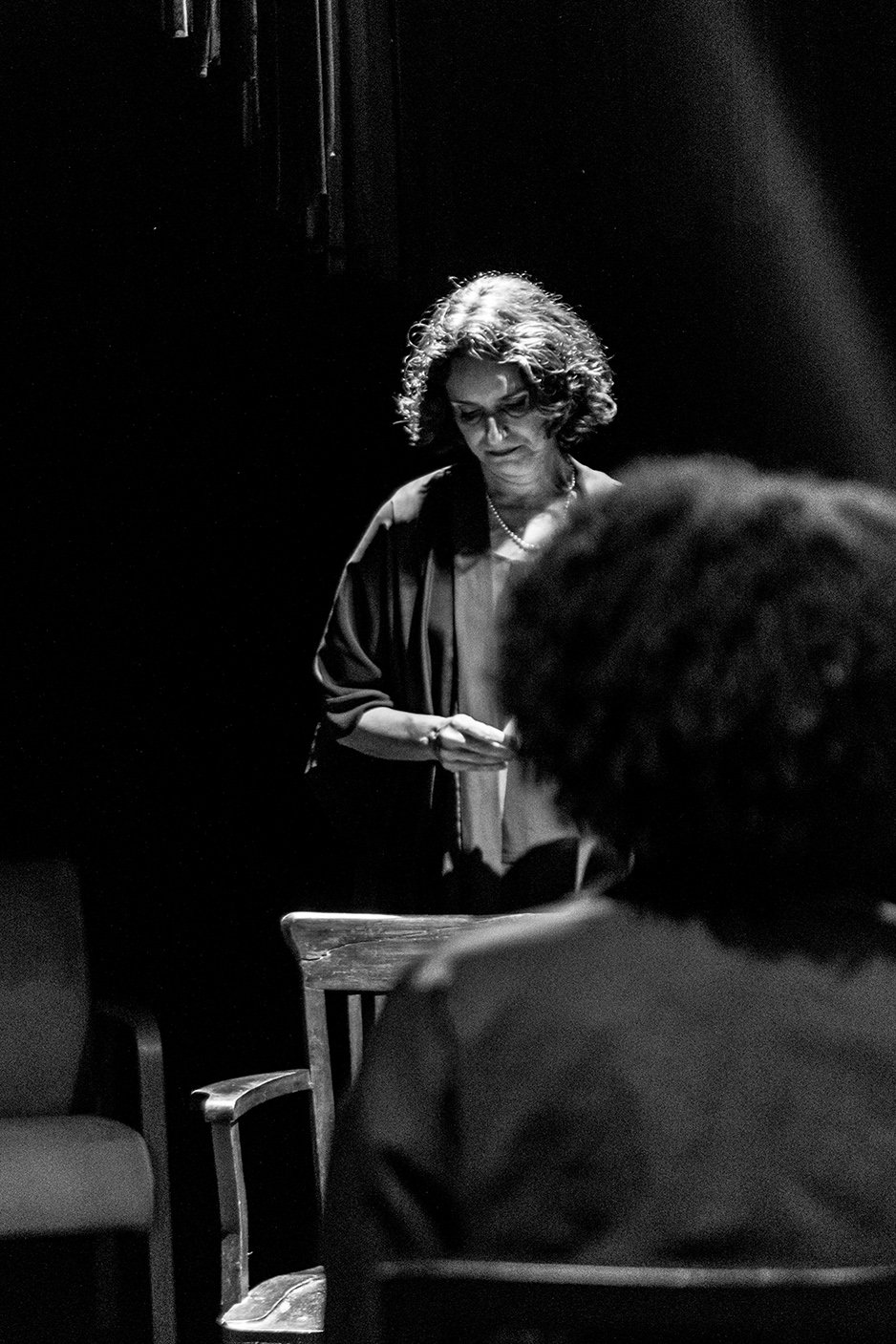
By Harold Emert
Rio de Janeiro’s Porto Maravilha — the “Marvelous Port,” a once-forgotten waterfront area transformed into one of the city’s most vibrant cultural districts — has become an unlikely home for a rare theatrical experience.
Inside the intimate and atmospheric Sérgio Britto Theater at Armazém da Utopia, where the audience sits only a few feet from the performer, Palavras (“Words”) invites spectators into the mysterious universe of Brazil’s legendary writer Clarice Lispector.
The monologue, starring actress and playwright Tuca Moraes, is described as “a play of truth.” It is not a traditional biography or a simple adaptation of Lispector’s writings. Instead, it is an emotional exploration of the words, thoughts, doubts and revelations that shaped one of the 20th century’s most original literary minds.
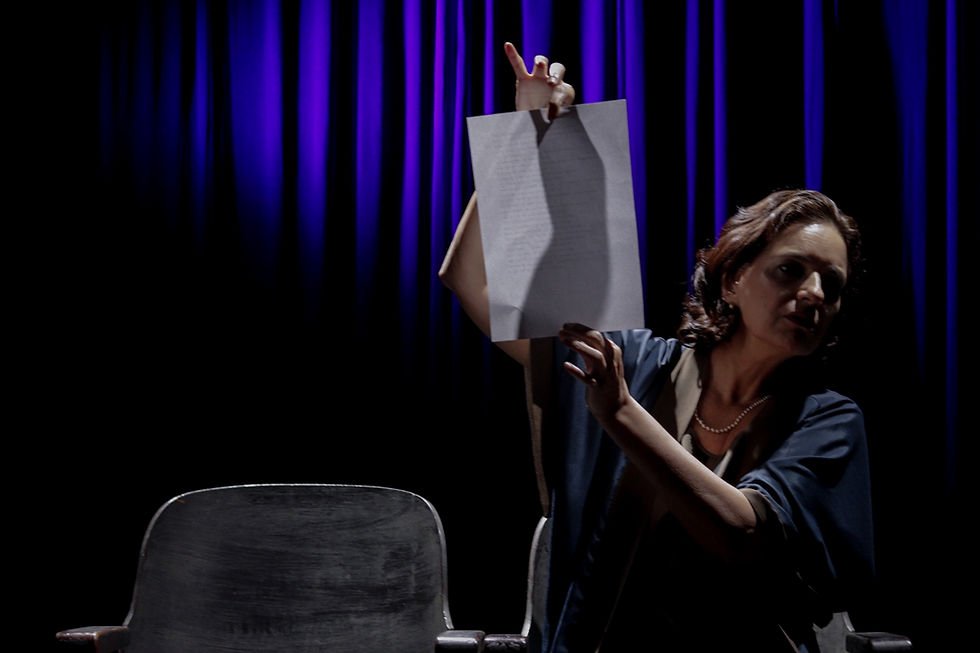
The next performances are on August 6 and August 13 (Thursdays) at 7 p.m., with direction, lighting and production by Luiz Fernando Lobo.
Words, Lispector once suggested, are never merely words. They carry meanings, rhythms, colors and echoes of memory. They can awaken anxiety, tenderness, joy or unexpected discoveries. In Palavras, those words come alive through Tuca Moraes, who moves through the small theater space surrounded by approximately forty spectators.
The experience feels almost like entering Clarice’s own private world — her writing room, her imagination, her restless search for meaning.
Lispector’s extraordinary life crossed continents. She wrote while living in Washington D.C., Naples, Bern and Torquay, England, during her marriage to Brazilian diplomat Maury Gurgel Valente. Later, after her divorce, she returned to Rio, living near the beaches of Leme with her two sons — the neighborhood where a statue now honors her memory.
From her apartment overlooking the city and the sea, Clarice created works that transformed Brazilian literature, including her masterpiece The Hour of the Star (A Hora da Estrela).
In this production by the Companhia Ensaio Aberto (Open Rehearsal Company), directed by Luiz Fernando Lobo, Tuca Moraes breathes new life into Lispector’s “palavras.” She does not simply recite them — she inhabits them.
Walking around the room, sitting beside audience members, and even leaning close to a spectator’s chair, Moraes breaks the traditional barrier between actor and public. The audience becomes part of the performance, almost as if invited into a private conversation with Clarice herself.
At one moment, Moraes recalls Lispector’s reflection:
“I asked a doctor: Is it normal to have so many ideas at the same time? He replied: Everyone does.”
And another passage captures the writer’s unmistakable voice:
“I live life in its pure element… hell understands me best. One is not lost for failing to understand. To breathe is to begin to desire.”
These fragments reveal why Clarice Lispector continues to fascinate readers around the world: she explored not only stories, but the hidden emotions behind existence itself.
The mission of the Open Rehearsal Theater Company is to use theater as a starting point — creating the stage, or even a moving stage, as a place where artistic creation continues. Palavras perfectly reflects that philosophy: a performance that feels alive, unfinished and constantly reinvented.
Practical Note
For visitors unfamiliar with Rio’s Porto Maravilha district, reaching Armazém da Utopia is part of the adventure. Rather than taking a taxi, I recommend using Rio’s metro system. Take the metro to Carioca Station, then transfer to the VLT (light rail) and continue to the Utopia stop, one stop after the Museum of Tomorrow.
The journey may seem slightly complicated at first, but it is worth it. Like Clarice Lispector’s writing, the route rewards those willing to explore beyond the obvious path.
Palavras is more than a play. It is an encounter — with one of Brazil’s greatest writers, with the power of language, and with the extraordinary possibility that a single word can open an entire universe.
Comments
Sign in with GitHub to leave a comment.
Comments use GitHub and Giscus. Loading this area opens a third-party service: your GitHub profile, comments, reactions and metadata may be public on GitHub and this site. Read the Privacy Policy.
Comments will load after your confirmation.