An Evening with Lula and Flávio Bozo at Globo Studios
PTLeia este artigo em portuguêsUma noite com Lula e Flávio Bozo nos Estúdios Globo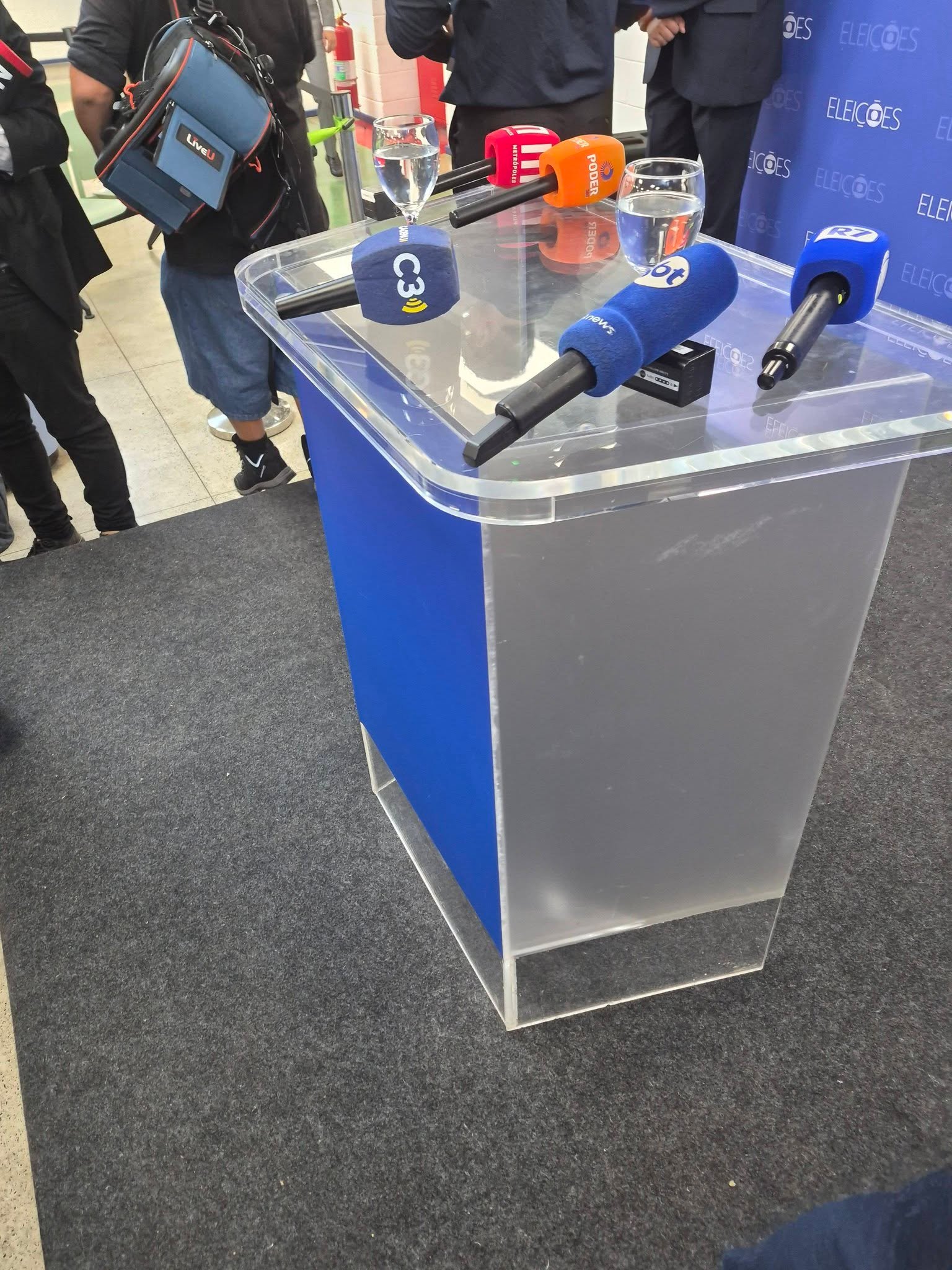
By Harold Emert
I have always admired Clark Kent, the mild-mannered star reporter who transforms himself into Superman. I was thinking of both men on Friday evening as my RioTáxi struggled through the dreadful traffic of Barra da Tijuca, heading towards TV Globo's studios, where I had been invited to witness the second and final presidential debate between Luiz Inácio Lula da Silva and Flávio Bolsonaro.
Would this be my own modest scoop? Or would I discover that, even with a press invitation, a foreign correspondent can sometimes feel more like Clark Kent than Superman?
After presenting my credentials and demonstrating that my briefcase contained no bomb, firearm or knife — just a banana, water and biscuits — I was graciously escorted to Globo's press centre.
The debate was still about 90 minutes away. A generous spread of food, drinks, desserts and coffee awaited the hungry journalists and other guests who had gathered for the occasion.
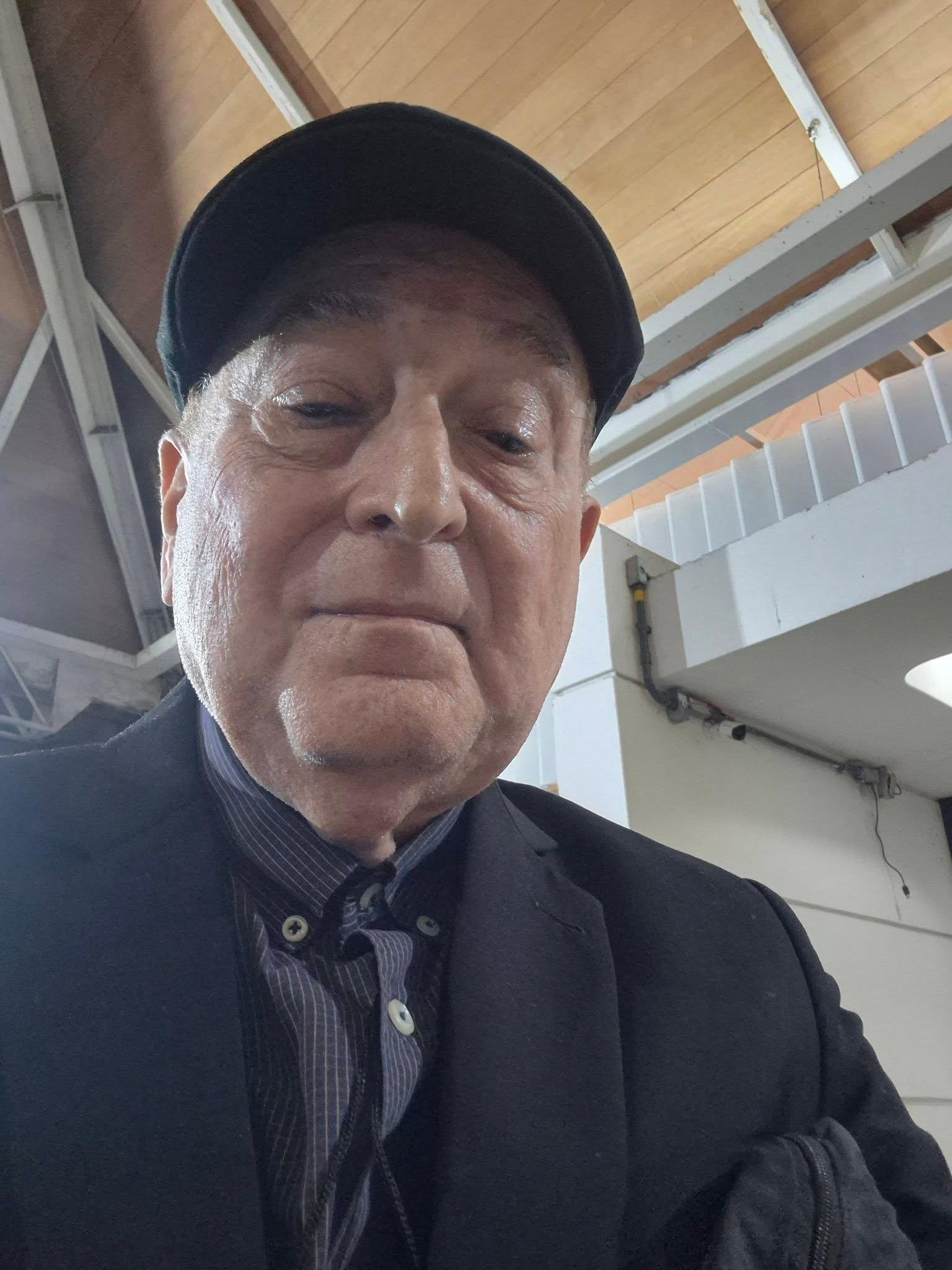
I was dressed chicly, or so I liked to think, in a custom-made suit I had acquired in Bangkok some years ago. My black sneakers completed my special attire for this event. (Since my official retirement, I have refused to wear either a tie or proper shoes unless absolutely necessary.)
For a moment, I felt I was witnessing history.
The press centre was close to what is known as Projac, Globo's vast production complex, where Brazil's enormously popular novelas — television soap operas — are made. Their international sales have helped make Globo one of the country's most powerful media organisations.
In a country where disorganisation can sometimes seem almost a national trademark, Globo struck me as impressively organised, structured and prepared to receive its visitors, including those who might not necessarily share its political sympathies.
I found a seat in the second row, directly in front of a television screen. Unfortunately, that turned out to be as close as I would get to the presidential candidates that evening.
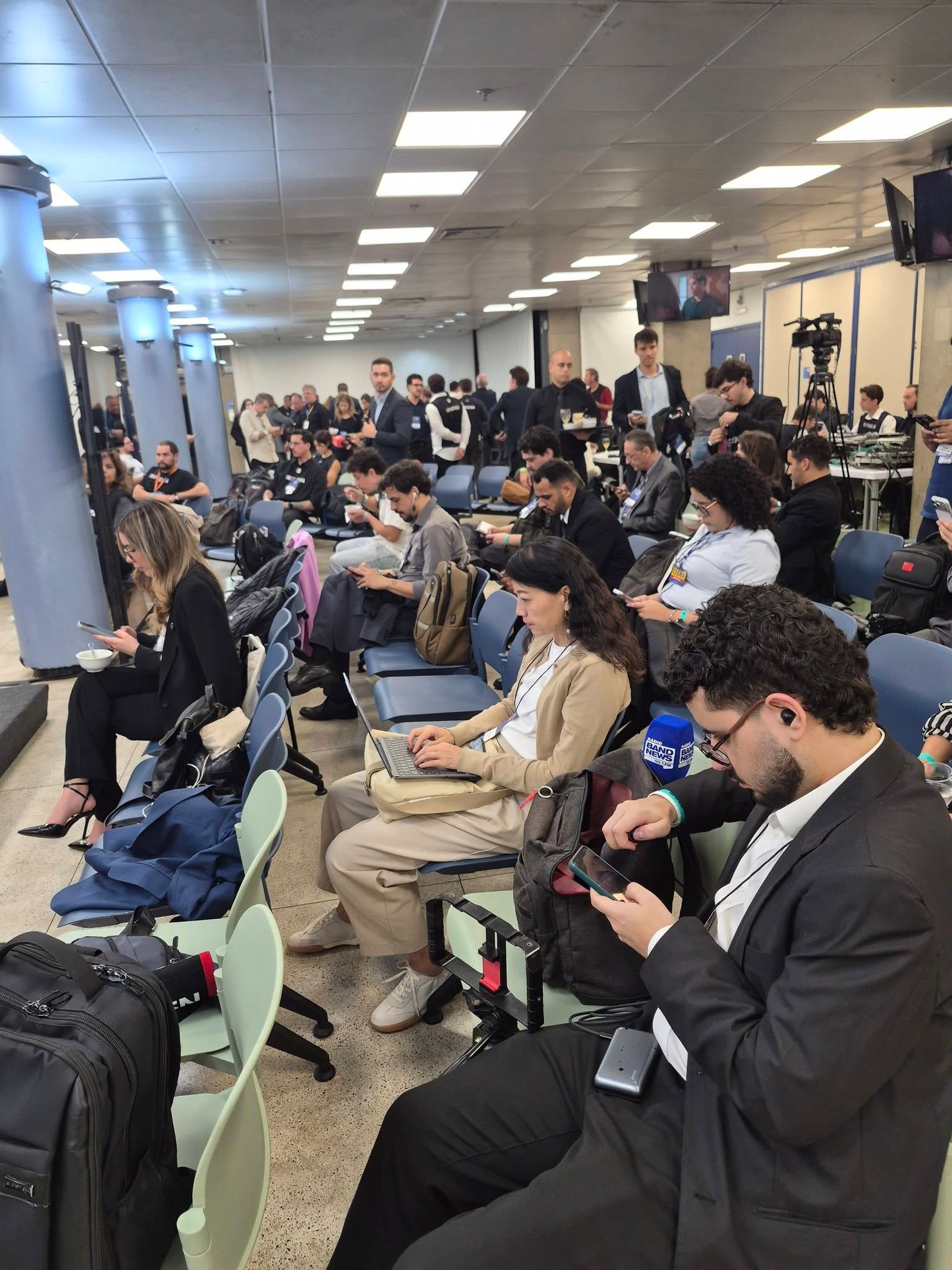
Gone are the days when a reporter might occupy himself with a notebook, newspaper or magazine while waiting for the main event. Instead, I reached for the modern journalist's indispensable — and occasionally antisocial — companion: my iPhone.
So did practically everyone else.
Guests had arrived from different parts of Brazil and even from abroad, yet the spectacle of people scrolling up and down their screens seemed to have replaced the art of conversation. We were all there for a historic political encounter, but many of us appeared more interested in our individual digital worlds.
My immediate obstacle to full enjoyment of the evening was not political but geographical: two Argentine television journalists sitting directly in front of me.
One had a head tall enough to threaten my view of the screen. Both maintained an almost uninterrupted conversation throughout the heated debate, leaving me wondering whether they had come to watch the candidates or simply to enjoy one another's company.
Finally, I attempted to get their attention.
"¡Milei, Milei, un payaso!" I called out — Milei is a clown! — referring to Argentina's president, Javier Milei, whose public disagreements with Lula have been no secret.
My attempt to provoke a reaction from my hermanos from Buenos Aires produced little apparent effect. Perhaps they were concentrating on the debate. Perhaps my Spanish needed improvement. Or perhaps the pair simply preferred their own conversation to mine.
Fortunately, a few familiar faces from Rio's foreign press community brightened the evening. I took photographs of several colleagues and posted them on WhatsApp, creating my own modest record of an occasion that otherwise threatened to become an exercise in watching television in company.
Meanwhile, the political drama continued on the screen.
Lula, the former metalworker who became a trade union leader and then president, has had one of the most extraordinary political careers in modern Brazilian history. An industrial accident cost him part of a finger, but it did not prevent him from rising to the highest office in the land.
Now, at 81, he faces another decisive moment in his political life. His supporters see a historic leader who has helped shape Brazil's modern democracy. His critics point to corruption scandals and question his record. His opponent, Flávio Bolsonaro, belongs to a political family that has remained at the centre of Brazil's fierce ideological divisions.
The Bolsonaro name carries its own considerable baggage. Former president Jair Bolsonaro has been sentenced to more than 27 years in prison in connection with the investigation into the attempted coup following the 2022 election. His family's political future remains a subject of intense debate.
And what of Flávio's brother Eduardo, the former congressman from São Paulo? His activities in the United States and his contacts with figures in the Trump administration have raised questions about his political future — 4 years and two months in jail if he returns under President Lula, possibly taking over the reins of power of Brazil's smoothly run Foreign Corps if big brother Flávio Bozo wins.
And before this made-in-the-USA observer forgets: "When the United States sneezes, Brazil catches a cold."
The relationship between Washington and Brasília matters enormously, not least because Brazil is a continental-sized nation with its own ambitions, interests and political traditions. Yet the country's future will ultimately be determined by Brazilians themselves on Sunday, not by the occupants of the White House.
The debate went on for more than two hours. The candidates exchanged accusations, defended their records and attempted to persuade voters that they were the right people to lead this vast and complicated country.
I watched, listened and wondered what the millions of Brazilians following the encounter at home would make of it all.
But a day later, Saturday afternoon, I find myself asking a rather less grand question: had I really needed to spend my Friday evening — and the expensive taxi fare — travelling across Rio to watch a debate on television that I could just as easily have watched from the comfort of my own sitting room?
Perhaps Clark Kent would have understood.
There was, however, one unexpected consolation. The most informative part of the evening may not have been the debate itself, nor the conversations among the assembled journalists, nor even the spectacle of Globo's impressive organisation.
It was the taxi driver who had taken me there.
During our journey, he demonstrated a knowledge of one of the presidential candidates that seemed to exceed anything I had encountered in the local publications I had been reading.
He had opinions, details and observations that made me wish I had taken out my notebook after all.
Perhaps the real story was not inside Globo's studios but out on the streets of Rio, where ordinary Brazilians were watching, discussing and interpreting the political drama in their own way.
As a reporter, I should have known better.
Superman may have had X-ray vision, but Clark Kent had something more useful: he knew how to ask questions.
Next time, I might spend less time staring at a screen and more time listening to the person behind the wheel.

Comments
Sign in with GitHub to leave a comment.
Comments use GitHub and Giscus. Loading this area opens a third-party service: your GitHub profile, comments, reactions and metadata may be public on GitHub and this site. Read the Privacy Policy.
Comments will load after your confirmation.